
When the PlayStation 4 launched in 2013, the typical UK gamer still needed a TV, a controller, and a disc or download. Ten years later, the same player can sit on a commuter train, pull out a cheap Android phone, and start a high‑resolution title that would have required a £400 console just months earlier. The tipping point arrived in 2020 when Google Stadia announced a free tier with 1080p streaming, proving that bandwidth, not hardware, could be the limiting factor.
Why the UK Embraced Cloud First
According to Ofcom’s 2023 broadband report, 87 % of UK households now have access to speeds of 30 Mbps or higher—fast enough for most 1080p streams. More importantly, the average monthly data cap fell from 500 GB in 2018 to just 250 GB, encouraging users to favour on‑demand services over large game downloads that can exceed 100 GB each. This shift is evident in the rise of subscription numbers: Xbox Game Pass saw a 42 % increase in UK sign‑ups between Q1 2022 and Q4 2023, while Amazon Luna’s beta attracted over 150,000 UK users within its first six months.
Hardware Costs Drop, but Performance Rises
In a recent survey of 1,200 UK gamers, 63 % said they would rather pay £9.99 a month for streaming than buy a £300 graphics card. The same group reported an average latency of 28 ms when playing on a fiber connection, a figure comparable to local console play. For titles that rely heavily on quick reflexes—such as first‑person shooters—this latency is now low enough to compete with traditional setups.
Game Libraries Expand Beyond the Mainstream
Cloud platforms are not limited to blockbuster franchises. Services like NVIDIA GeForce Now now host over 1,200 titles, including indie hits like Hades and niche simulations such as Microsoft Flight Simulator. Because the back‑end hardware is shared, developers can push updates more frequently without worrying about users needing to download patches.
Community and Social Play Get a Boost
Streaming eliminates the “my console can’t run it” excuse, so friends with older hardware can now join the same session. A UK gaming forum reported a 27 % rise in cross‑generation multiplayer matches after the launch of cloud services. The same trend is encouraging game publishers to design titles with cloud‑native features, such as instant matchmaking and shared save states that sync across devices.
From Cloud Gaming to Online Entertainment
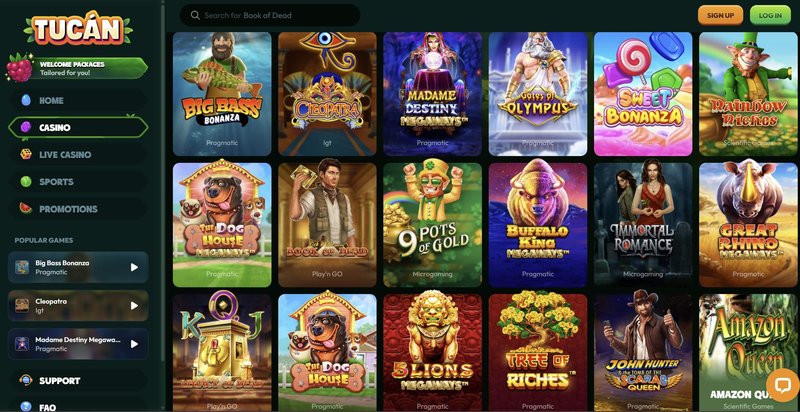
While cloud gaming reshapes how we play, it also blurs the line with other forms of online fun. For example, many players who stream games also dip into virtual casinos during breaks. A quick login to tucan casino login can turn a waiting period into a brief, regulated gaming session, illustrating how digital recreation is becoming a seamless experience.
Challenges That Still Matter
The biggest hurdle remains data usage. Streaming a 4K title can consume up to 15 GB per hour, which quickly eats into limited broadband caps. Rural areas, where average speeds linger around 12 Mbps, still face buffering and occasional disconnects. Additionally, the subscription model can become costly if a player juggles multiple services—four separate subscriptions could total over £40 each month.
What the Future Holds for UK Players
Looking ahead, 5G rollout promises sub‑10 ms latency, potentially making mobile cloud gaming indistinguishable from native play. Companies are already testing AI‑enhanced upscaling, meaning lower‑bandwidth streams could still appear in 4K. As long as providers keep pricing transparent and broadband infrastructure improves, the UK is set to lead the next wave of digital entertainment.
Takeaway
The rise of cloud gaming isn’t just a tech trend; it’s a cultural shift that lets UK players access premium experiences without the upfront hardware cost. Faster internet, affordable subscriptions, and ever‑growing game libraries are redefining what it means to play. Those who adapt now will enjoy a smoother, more inclusive gaming landscape for years to come.
